Leak detection and repair
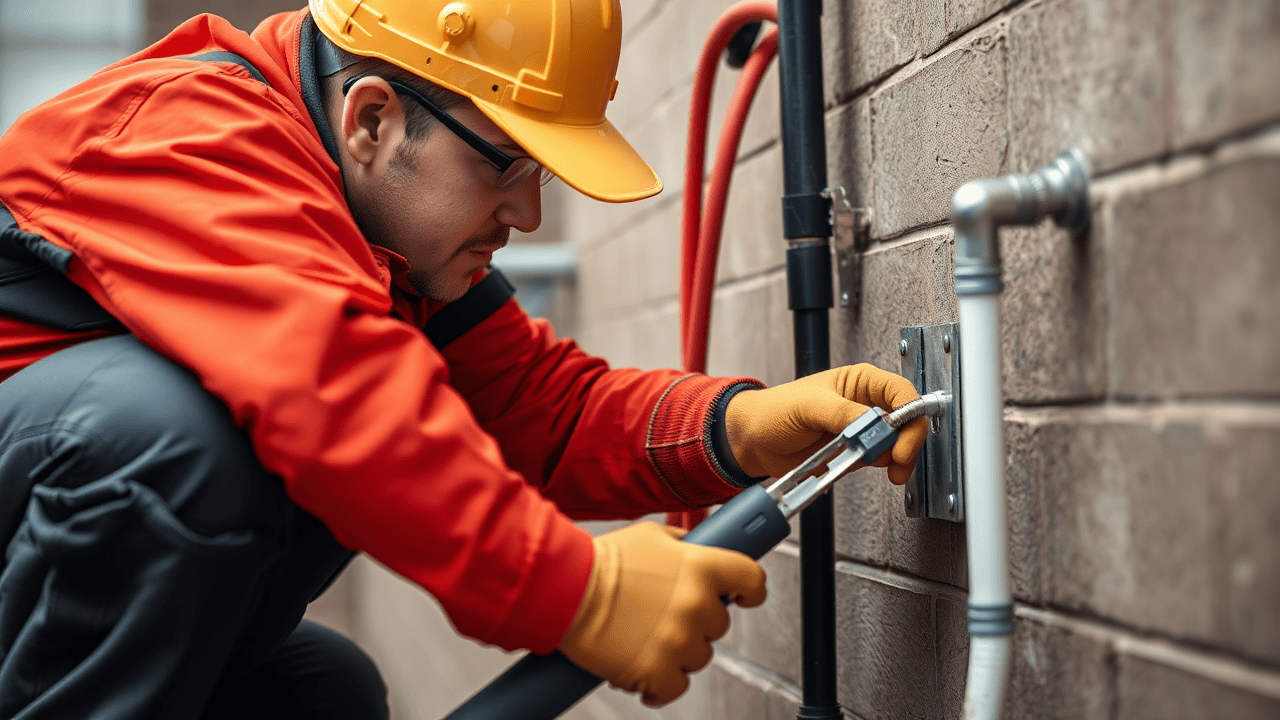
At First Choice Plumbing and Rooter, we understand that even a small leak can lead to significant damage and increased utility bills. That's why our leak detection and repair service is designed to quickly identify and resolve any hidden plumbing issues in your home or business. Using state-of-the-art technology and experienced technicians, we meticulously scan for leaks in pipes, walls, and foundations, ensuring that no problem goes unnoticed. Once we've pinpointed the source, our team efficiently carries out the necessary repairs, restoring your plumbing system's integrity and giving you peace of mind. Trust First Choice Plumbing and Rooter to keep your water flowing smoothly and your property protected from water damage.
Cost Factors in Leak Detection Services
The costs associated with leak detection services can vary widely based on several factors. The complexity of the plumbing system plays a significant role; older systems might require more intensive inspection methods, leading to higher fees. Additionally, the location of the suspected leak affects pricing. If a leak is in a difficult-to-access area, such as under concrete slabs or behind walls, professionals may need specialized equipment, increasing overall costs.
Moreover, the urgency of the situation impacts prices. Emergency leak detection services typically come with a premium charge, reflecting the need for immediate action. Geographic location also contributes to cost variations, as labor rates and operational expenses differ across regions. Homeowners should keep these factors in mind when considering leak detection services to ensure they understand what influences pricing in their specific situation.
What Influences Pricing
Several factors contribute to the overall pricing of leak detection services. The complexity of the plumbing system plays a significant role; older systems with intricate layouts may require more thorough inspections. Additionally, the type of technology utilized for detection, such as thermal imaging or acoustic sensors, can also affect costs. Service providers may charge more for advanced equipment that offers greater accuracy and speed in identifying leaks.
Geographic location can impact pricing as well. Areas with a higher cost of living may see increased service rates compared to more affordable regions. The urgency of the service matters too; emergency leak detection often incurs higher fees due to the immediate attention required. Ultimately, the scope of the job and the service provider’s expertise will shape the final cost.
Preventative Measures for Leak Prevention
Implementing preventative measures is essential for minimizing the risk of leaks in your plumbing system. Regular inspections can help identify potential weaknesses before they escalate into significant issues. It’s wise to keep an eye on areas prone to moisture, such as under sinks or around appliances. Ensuring that you maintain appropriate water pressure can also decrease the likelihood of pipe bursts or leaks.
Routine maintenance of fixtures and pipes plays a crucial role in leak prevention. Replace worn or damaged parts promptly to keep your plumbing in good condition. Insulating pipes, especially in colder areas, helps prevent freezing and reduces the risk of cracks. Additionally, be mindful of tree roots that could encroach on your underground pipelines, as they can lead to significant damage if not addressed in time.
Tips to Safeguard Your Plumbing
Regular maintenance is key to preventing leaks in your plumbing system. Homeowners should schedule periodic inspections with a qualified plumber to identify potential issues before they escalate. Checking for signs of wear and tear on pipes, seals, and fixtures can help catch problems early. It’s also a good practice to keep an eye on your water bill. An unexplained increase could indicate a hidden leak that needs attention.
Proper insulation of pipes is crucial, especially in areas susceptible to freezing temperatures. Insulating pipes not only helps prevent them from bursting but also improves energy efficiency. Additionally, ensure that drainage systems are clear of debris. Clogged drains can lead to water backup and potential leaks. Taking these simple steps can save homeowners time and money by reducing the risk of significant plumbing issues down the line.
DIY Leak Detection
Homeowners can take several simple steps to identify leaks before they become major issues. Start with monitoring your water bill. A sudden increase without explanation may indicate a hidden leak. Checking your water meter can also provide insights; turn off all faucets and appliances that use water, and observe if the meter continues to move. This could signal a leak within your plumbing system.
Conducting a visual inspection of exposed pipes and fixtures is crucial. Look for signs of moisture, mold, or water stains on ceilings and walls. Pay attention to faucets, showerheads, and toilets for any dripping or running water. Performing regular checks can help catch leaks early, potentially preventing extensive damage and costly repairs.
Simple Checks for Homeowners
Homeowners can take proactive steps to identify potential leaks before they escalate into significant problems. Regularly inspect visible pipes in basements, under sinks, and behind appliances for any signs of moisture or corrosion. A water meter check is another effective method; by recording the meter reading before and after a couple of hours without water usage, homeowners can determine if there is an undetected leak.
In addition, paying attention to water bills can provide insight into potential leaks. A sudden spike in usage might indicate a problem somewhere in the plumbing system. Testing toilets for leaks is simple and can be done using food coloring; adding a few drops to the tank and waiting can reveal any unwanted seepage into the bowl. These straightforward checks can save homeowners both time and money by catching issues early.
FAQS
What is leak detection and why is it important?
Leak detection is the process of identifying and locating leaks in plumbing systems, roofs, and other structures. It is important because undetected leaks can lead to significant water damage, mold growth, and increased utility bills.
What factors influence the cost of leak detection services?
The cost of leak detection services can be influenced by several factors, including the location of the leak, the type of detection method used, the complexity of the plumbing system, and whether additional repairs are needed after the leak is found.
Are there any preventative measures I can take to avoid leaks?
Yes, there are several preventative measures you can take, such as regularly inspecting your plumbing systems, ensuring proper insulation on pipes, maintaining your roof and gutters, and monitoring water pressure to prevent undue stress on pipes.
How can I perform DIY leak detection in my home?
Homeowners can perform simple checks such as inspecting visible pipes for moisture, checking water meters to detect irregularities in usage, looking for water stains on walls and ceilings, and listening for unusual sounds in plumbing.
When should I call a professional for leak detection?
You should call a professional for leak detection if you notice any signs of leaks, such as unexplained increases in your water bill, water stains on walls or ceilings, or if you are unable to locate the source of a suspected leak on your own.