How Leak Detection Works
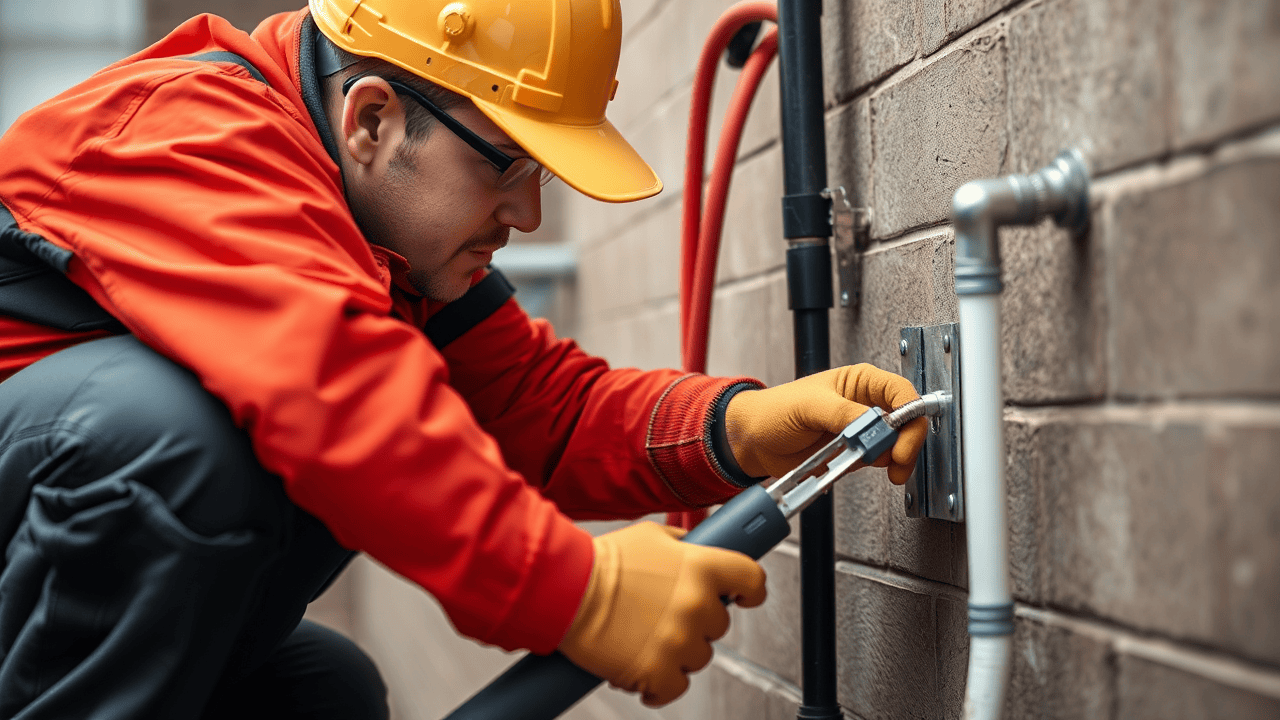
Leak detection involves a systematic process that utilizes a combination of technology and experienced professionals to identify and locate leaks within plumbing systems. Advanced tools, such as acoustic devices and thermal imaging cameras, help in pinpointing the source of the leak without causing any disruption to the property. By analyzing the sounds and temperature fluctuations in the pipes, technicians can accurately determine where the problem lies.
The process of leak detection and repair typically begins with an inspection of the entire plumbing system. This includes checking visible pipes, connections, and fixtures for any signs of water damage or moisture buildup. Once a leak is detected, repair methods can be employed ranging from simple fixes to more extensive repairs, depending on the severity and location of the leak. Such thorough measures ensure that the underlying issue is addressed, preventing further damage to the property.
StepbyStep Process
Leak detection begins with a thorough inspection of the premises, focusing on areas most prone to leaks such as bathrooms, kitchens, and basements. Professionals use various tools, including moisture meters and thermal imaging cameras, to identify hidden leaks that may not be visible to the naked eye. Once potential leak sources are located, technicians often employ non-invasive methods to confirm the presence and severity of the issue. This systematic approach ensures that any leaks are accurately diagnosed.
After confirming a leak, the next step involves evaluating the extent of the damage. This includes assessing the surrounding infrastructure and any potential impacts on plumbing systems. Leak detection and repair specialists may create a plan that outlines the necessary repairs and preventive measures to mitigate future issues. Implementing these solutions effectively can save homeowners significant time and money while enhancing the longevity of their plumbing systems.
Choosing the Right Leak Detection Service
Selecting the right leak detection service can significantly impact the efficiency and effectiveness of addressing any plumbing issues. Begin by researching local providers, focusing on their experience and reputation in the industry. Look for companies that specialize in leak detection and repair, which ensures they have the necessary expertise and tools to diagnose and fix problems accurately. Reviews and testimonials can offer insights into their service quality and reliability.
It’s also important to consider the methods used by the service provider. Advanced leak detection technologies, such as infrared cameras and acoustic sensors, can lead to quicker and more precise solutions. Verify that the company follows industry standards and offers comprehensive services beyond just detection. This commitment reflects their capability in leak detection and repair, ensuring that any underlying issues are addressed effectively.
What to Look for in a Provider
When considering a leak detection provider, focus on their experience and expertise in the field. Look for companies that specialize in both leak detection and repair services. A good provider should have a track record of successful projects, preferably with positive customer reviews and testimonials. This can provide insight into their reliability and effectiveness in diagnosing and fixing leaks.
Cost is another important factor to consider. While you don’t want to compromise quality for a lower price, it's vital to obtain multiple quotes to ensure you are getting a fair deal. Inquire about the techniques and equipment they use for leak detection and repair. A reputable provider will be transparent about their methods and can inform you about the expected timeline and any required follow-up work.
DIY Leak Detection Methods
Many homeowners can perform basic leak detection methods on their own before calling in professionals. One simple technique involves checking water meter readings. Turn off all faucets and water-using appliances, then note the reading on the meter. After a couple of hours, check it again. If the reading has changed without any water usage, a leak might be present in the system.
Another effective DIY approach is to inspect visible pipes for signs of moisture, dampness, or water stains. Pay close attention to areas under sinks, around toilets, and near appliances such as washing machines or dishwashers. Consider also examining the foundation walls for any signs of water intrusion. Early leak detection and repair can save homeowners from costly damages in the long run.
Simple Tips to Try at Home
Observing your home's water use can reveal valuable insights into potential leaks. Check your water meter before and after a period of non-use, such as overnight. If the meter reading shifts significantly, a leak may be present. Additionally, monitoring your water bill for unexpected increases can also signal unseen leaks, prompting the need for further investigation. A proactive approach can significantly ease the future burden of leak detection and repair.
Another effective method is visual inspection. Carefully examine areas prone to leaks, including under sinks and around toilets, for any signs of moisture or water stains. Pay attention to damp spots on walls, ceilings, and floors, which could indicate hidden leaks. Regular checks can help you identify problems early, saving both time and resources while ensuring that leak detection and repair are handled promptly.
FAQS
What is leak detection?
Leak detection is the process of identifying and locating leaks in various systems, such as plumbing, gas lines, or roofs, to prevent damage and conserve resources.
Why is leak detection important?
Leak detection is crucial because it helps prevent costly damage, reduces water waste, ensures safety in gas lines, and can lower utility bills by identifying and addressing leaks promptly.
How do professional leak detection services work?
Professional leak detection services use advanced technology, such as acoustic listening devices, thermal imaging, and moisture meters, to accurately locate leaks in various systems without invasive methods.
Can I detect leaks on my own?
Yes, there are DIY methods for leak detection, such as checking for water stains, monitoring your water bill for unexplained increases, and conducting simple tests on fixtures and appliances.
What should I consider when choosing a leak detection service?
When selecting a leak detection service, consider factors such as experience, reputation, technology used, customer reviews, and cost to ensure you receive quality service.