Excavating the Area
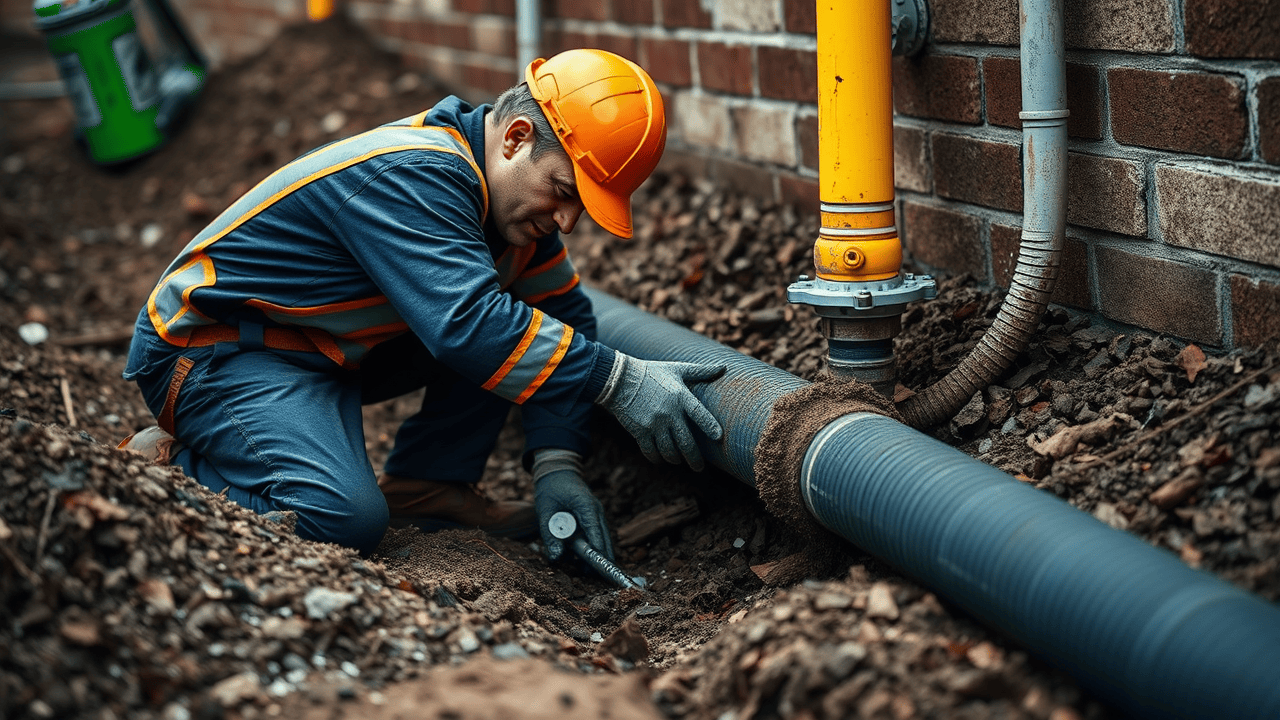
When faced with a broken sewer pipe underground, the first step is to excavate the area surrounding the damaged section. This involves carefully digging to expose the pipe while minimizing disruption to the surrounding soil and structures. Proper excavation techniques should be employed to prevent potential hazards, such as collapsing walls or accidental utility strikes. It's crucial to mark and locate any underground utilities before beginning the process. Sewer line installation and repair in residential areas may have specific regulations, so checking local codes is advisable.
Once the area is marked and cleared, the actual digging can commence. Use appropriate tools like a shovel or an excavator, depending on the size of the excavation needed. Maintaining a safe work zone is essential during this phase. Ensure that the hole is wide and deep enough to provide clear access to the sewer pipe without putting workers at risk. Taking these precautions helps facilitate a more efficient repair process while safeguarding nearby infrastructure and minimizing future complications in sewer line installation and repair in the area.
Steps for Safe Digging
Before beginning any excavation work, it is essential to locate all existing underground utilities. Calling your local utility company to mark lines helps prevent accidental damage during the digging process. This precaution is vital for sewer line installation and repair in residential or commercial areas since many utility lines can be situated close to one another, increasing the risk of disruption. Understanding the layout of these lines ensures a safer working environment and minimizes the chances of costly mistakes.
Once utilities are marked, select the appropriate tools for the job. Hand tools such as shovels may be sufficient for shallow digging, while mechanical augers or mini excavators can facilitate deeper excavations. Always ensure to wear the proper safety gear, including gloves and protective eyewear, to safeguard against potential hazards. Adhering to these steps not only aids in preventing accidents but also contributes to successful sewer line installation and repair in a timely manner.
Fixing the Pipe
When addressing a broken sewer pipe, selecting the appropriate repair method is crucial for long-term effectiveness. For small cracks or holes, a simple epoxy resin patch may suffice. This method involves cleaning the area around the damage, mixing the epoxy, and applying it directly to the affected section. For more extensive damage, a pipe replacement may be necessary. This process consists of digging up the damaged pipe section and replacing it with a new piece that meets local plumbing codes.
Sewer line installation and repair in this context might also benefit from trenchless technology. This technique minimizes surface disruption and is often quicker than traditional methods. It involves inserting a new pipe through the existing damaged one without extensive excavation. Regardless of the repair method chosen, it is essential to ensure that the pipe is securely fitted and sealed to prevent future leaks. Taking time to follow the proper repair protocols will result in a more durable and functional sewer system.
Detailed Instructions for Each Repair Method
For patching a broken sewer pipe, start by cleaning the area around the damage. Use a wire brush or a clean rag to remove any debris or corrosion. Next, apply a specialized epoxy resin designed for sewer line repairs. This resin should be mixed according to the manufacturer’s instructions. Once the mixture is ready, use a putty knife to spread it over the damaged section of the pipe. Allow the epoxy to cure as per the product guidelines for a secure seal.
In instances of more significant damage that necessitates pipe replacement, the process involves severing the damaged section. Carefully excavate to expose the entire length of the pipe needing replacement. Select a suitable replacement pipe that matches the original specifications. When inserting the new pipe, ensure the fittings align properly with the existing line. Connect everything using approved methods, including couplings or connectors as needed. Proper sewer line installation and repair in this context helps prevent future complications and ensures the system functions effectively.
Testing the Repair
After completing the repair, it is essential to test the functionality of the sewer pipe to ensure that the issue has been resolved. Begin by carefully monitoring the area for any signs of leaks or improper drainage. Running water through the system will help identify any weaknesses in the patch or connections made during the repair process. Watching for water pooling or flooding indicates further issues that may need to be addressed.
Sewer line installation and repair in areas prone to soil movement or heavy rainfall should include a thorough inspection after testing. A camera inspection can provide additional confirmation that the repair is working as intended. This method allows for a detailed view of the interior of the pipe and can help locate any residual issues that may not be immediately evident. Ensure proper documentation of the maintenance and any findings for future reference.
Ensuring Proper Functionality PostRepair
After completing the repairs on a broken sewer pipe, it is crucial to test the fix to ensure proper functionality. Begin by checking for any visible leaks around the repair area. Inspect all joints and connections that were disturbed during the repair process. Conducting a water flow test can reveal whether the sewer line is functioning as intended. Run water through the system and observe if it drains smoothly without any backups, which might indicate that further adjustments are needed.
Sewer line installation and repair in many municipalities often requires compliance with local regulations. Ensuring that the area is properly backfilled and compacted can prevent future issues such as settling that might lead to new leaks. It’s important to monitor the repair site over time for any signs of deterioration or additional problems. Regular inspections can help maintain the integrity of the repair and prolong the life of the sewer system.
FAQS
What are the signs of a broken sewer pipe underground?
Common signs of a broken sewer pipe include slow drainage, foul odors, wet spots in your yard, or the presence of sewage backups in your home.
Is it necessary to hire a professional for sewer pipe repairs?
While some minor repairs can be tackled by a homeowner, hiring a professional is recommended for extensive damage or if you're unsure about the repair process.
How can I safely excavate the area around a broken sewer pipe?
To safely excavate, mark the area with paint, call utility companies to locate underground lines, use appropriate digging tools, and wear safety gear to prevent injury.
What are the different methods for fixing a broken sewer pipe?
Common methods include pipe relining, pipe bursting, and repairing with couplings or patches, depending on the type and extent of the damage.
How can I test if the repair was successful?
You can test the repair by running water through the system and checking for leaks, ensuring that the drainage is functioning properly, and monitoring for any unusual odors or backups.