Maintenance Practices to Extend Sewer Pipe Life
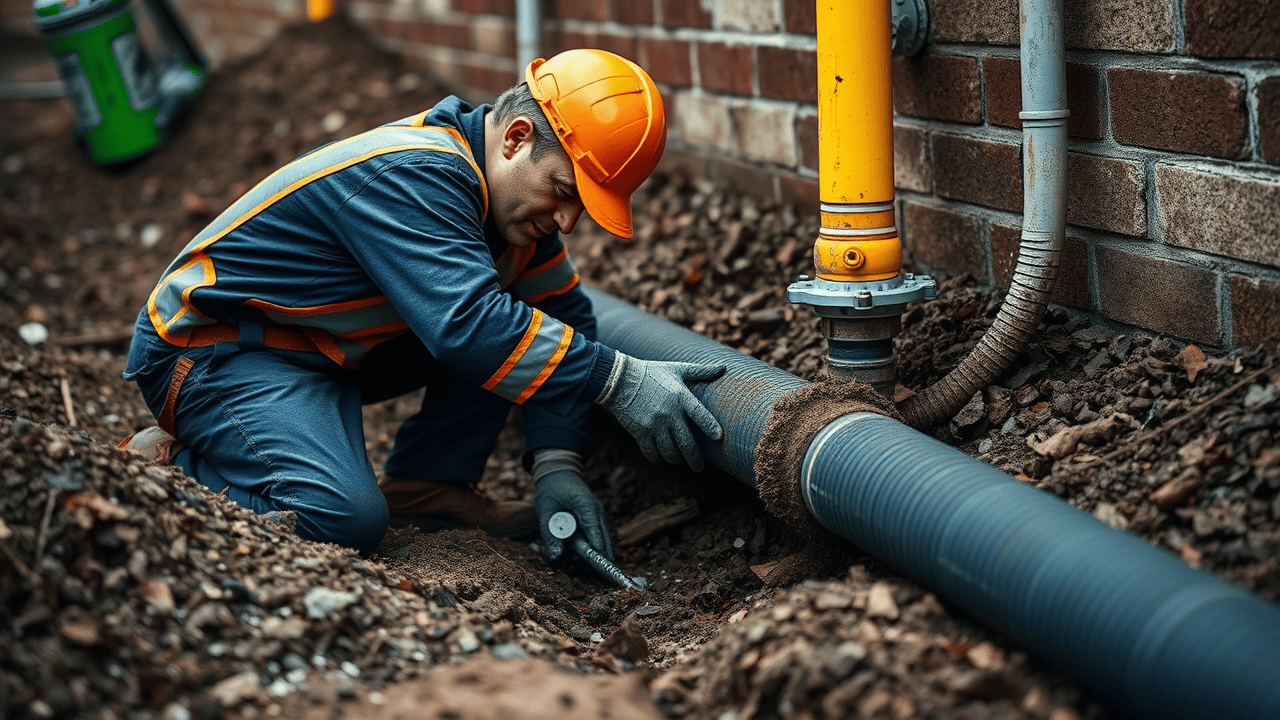
Regular maintenance is crucial for extending the lifespan of sewer pipes. Homeowners should invest in routine inspections to identify any potential issues before they escalate into major problems. A professional plumber can detect early signs of wear or damage, ensuring that needed repairs are made promptly. Regular cleaning prevents buildup and clogs, which can lead to more costly repairs down the line.
Sewer line installation and repair should also be performed by qualified professionals who understand how to select appropriate materials and techniques for specific scenarios. This expertise plays a significant role in preventing early degradation. Utilizing high-quality materials can significantly reduce the likelihood of failures and increase the overall durability of the system. Following these maintenance practices greatly enhances the operational lifespan of sewer lines.
Regular Inspections and Cleaning Techniques
Regular inspections of sewer pipes are crucial for identifying potential issues before they escalate into larger problems. Technicians can utilize video camera inspections to detect cracks, blockages, or other forms of damage. This technology allows for a detailed view of the interior condition of pipes without needing extensive excavation. Scheduling routine check-ups ensures that any wear and tear is addressed promptly, thus extending the lifespan of the system.
Cleaning techniques also play a significant role in maintaining sewer pipes. Hydro jetting is a popular method that uses high-pressure water jets to clear stubborn clogs and debris. Additionally, professional sewer line installation and repair services often recommend preventive maintenance, such as regular cleaning schedules, to reduce buildup over time. These proactive measures can significantly decrease the likelihood of sewage backups and costly repairs.
The Role of Tree Roots in Sewer Pipe Damage
Tree roots can pose a significant threat to the integrity of sewer pipes. These roots often seek moisture, which can lead them to infiltrate sewer lines, particularly those made from porous materials. Once inside, roots can cause blockages, leading to backflow and plumbing issues. Homeowners may experience slow drains or even complete sewer line failures due to this natural phenomenon. Understanding this risk is essential for anyone involved in sewer line installation and repair.
Certain pipe materials are more susceptible to root intrusion than others. Clay pipes, for example, are more prone to root penetration since they have joints that may shift or crack over time. Other types of pipes, such as plastic, offer better resistance but are not entirely immune. It is crucial for homeowners to be aware of their plumbing systems and to take preventive action, including the installation of root barriers or regular inspection protocols, to mitigate potential damage from root intrusion.
How Roots Interact with Various Pipe Materials
Tree roots pose a significant threat to sewer pipes, interacting differently with various materials. Clay pipes, for instance, are particularly susceptible to root intrusion due to their porous nature. Root systems can find their way into cracks or joints, leading to blockages and sewage backups. Steel pipes, while stronger, can still be compromised by aggressive root systems over time. Corrosion can create weak spots, allowing roots to infiltrate and cause damage.
PVC pipes offer more resistance to root growth, but they are not completely immune. Their smooth surfaces can deter roots initially, yet nearby trees may eventually break through if conditions are right. As a result, sewer line installation and repair must take these factors into account, considering the type of pipe material and its potential vulnerabilities. Implementing proper landscaping practices can also help reduce the likelihood of root-related issues in sewage systems.
The Impact of Weather on Sewer Pipes
Weather plays a significant role in the longevity and integrity of sewer pipes. Extreme temperatures, whether hot or cold, can cause materials to expand or contract. This fluctuation can lead to cracks and leaks, which compromise the sewer system's overall efficiency. Heavy rainfall can overwhelm pipes, leading to backups or system failures, particularly in areas with poor drainage or insufficient pipe capacity.
Sewer line installation and repair strategies should take weather impacts into account. For instance, using materials that can withstand temperature fluctuations can minimize damage over time. Additionally, ensuring proper drainage around sewer lines and implementing regular maintenance checks can help mitigate issues caused by severe weather conditions. This proactive approach can ultimately extend the lifespan of sewer systems.
Seasonal Changes and Their Effects on Pipe Integrity
Seasonal changes can have a significant impact on the integrity of sewer pipes. During winter, freezing temperatures can cause water within sewer lines to expand, leading to cracks or ruptures. Conversely, summer's heat can lead to ground shifting, putting pressure on pipes and increasing the risk of damage. These seasonal fluctuations create an environment where regular maintenance becomes crucial to prevent long-term issues.
Effective sewer line installation and repair practices account for these seasonal variations. Properly insulating pipes and using flexible materials can help mitigate the risks associated with temperature changes. Additionally, understanding soil conditions during different seasons enables homeowners and repair professionals to anticipate potential problems, ensuring the longevity of the sewer system.
FAQS
What is the average lifespan of sewer pipes?
The average lifespan of sewer pipes can vary depending on the material, but generally, clay and cast iron pipes last about 50 to 100 years, while PVC pipes can last around 25 to 40 years.
How can regular maintenance extend the life of sewer pipes?
Regular maintenance, including inspections and cleaning, helps identify potential issues early, preventing major damage and prolonging the lifespan of sewer pipes.
What damage can tree roots cause to sewer pipes?
Tree roots can infiltrate sewer pipes, causing blockages, cracks, and even complete breaks, especially in older pipes made from materials like clay or cast iron.
How does weather affect the condition of sewer pipes?
Weather conditions, such as freeze-thaw cycles, heavy rainfall, and extreme heat, can impact the integrity of sewer pipes by causing expansion, contraction, or soil erosion around the pipes.
Are there specific signs that indicate sewer pipe issues?
Yes, signs of sewer pipe issues can include slow drains, recurring clogs, foul odors, and unusual wet spots in your yard, which may indicate a leak or blockage.