How to Choose the Right Pipe Fitter
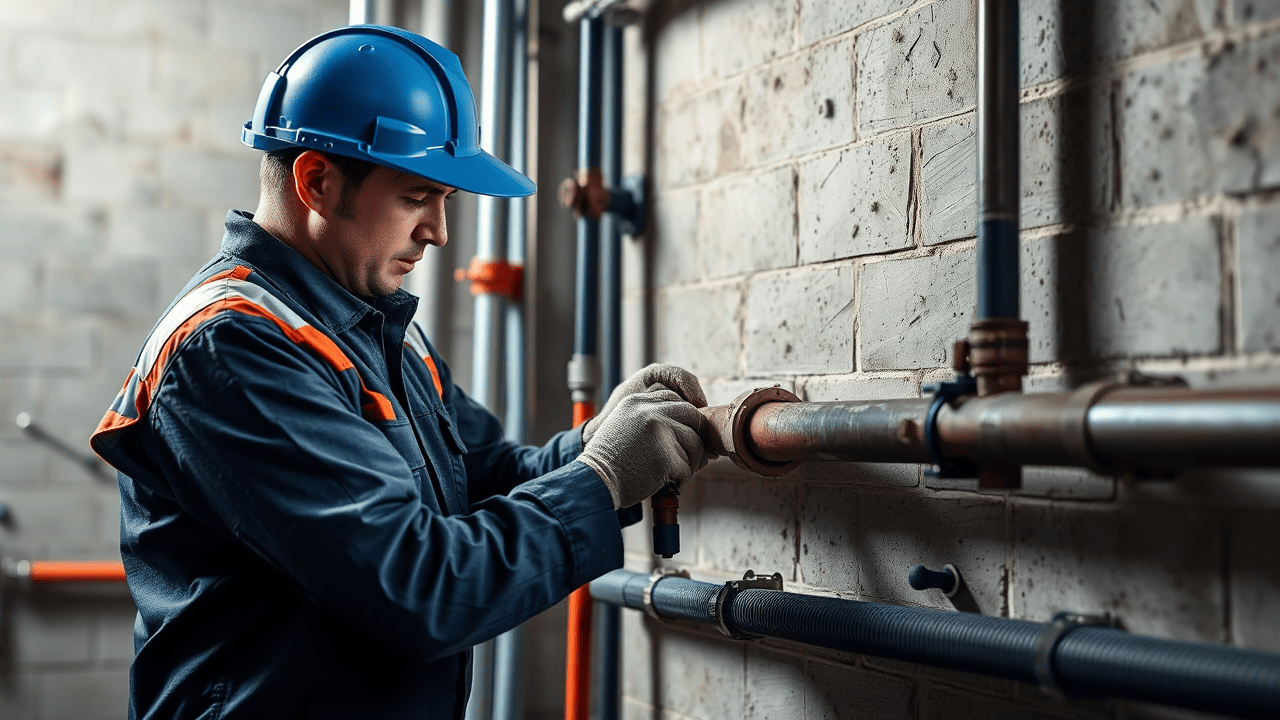
Selecting the right pipe fitter is crucial for ensuring quality workmanship and efficient service. Start by gathering recommendations from friends, family, or online reviews. Look for professionals who specialize in pipe installation and repair in your area. Verify their credentials, such as licenses and insurance, to ensure they meet local regulations. An experienced fitter will also have a solid portfolio of past projects.
Evaluate the communication skills of potential pipe fitters. Good fitters should be willing to explain their approach and answer any questions you may have. Obtain multiple estimates to compare pricing and services offered. Prioritize clear explanations of the types of materials they recommend and the techniques they will use. This will help you make a more informed choice based on your specific needs for pipe installation and repair in your home or business.
Key Qualities to Look For
When selecting a pipe fitter, consider their experience and skill level. A qualified technician should have a strong background in various types of piping systems. Their training should include both theoretical knowledge and practical experience. Look for indications of continued education or certifications that reflect their commitment to the trade. This background greatly influences their ability to handle complex installations and repairs.
Another important quality is reliability. A dependable pipe fitter adheres to schedules, maintains clear communication, and respects your property during the pipe installation and repair in your home or business. It is beneficial to check references or online reviews to gauge their work ethic and customer satisfaction. When a professional consistently meets expectations, it instills confidence in their ability to resolve any plumbing issues effectively.
The Pipe Repair Process Explained
The pipe repair process typically begins with an initial assessment of the issue at hand. A professional will examine the pipes to identify the source of the problem, whether it’s a leak, corrosion, or a more extensive damage. This evaluation is crucial for understanding the severity of the repair needed and for planning the subsequent steps. Pipe installation and repair in residential or commercial settings often follow standard protocols, ensuring that the repairs are performed efficiently and effectively.
Once the assessment is complete, the next phase involves preparing the site for repair. The surrounding area may need to be cleared of any obstacles. Depending on the type of repair, sections of the pipe might need to be cut out or replaced entirely. After the necessary materials are gathered, the technician executes the repair with precision, ensuring a secure fit. Pipe installation and repair in various environments often requires different techniques, tailored to the specific requirements of the system being serviced.
Steps Involved in a Typical Repair
The pipe repair process typically begins with a thorough inspection of the damaged area. A qualified technician identifies the type of issue, such as leaks or cracks, and assesses the extent of the damage. This ensures a tailored approach to the repair needs. Additional tools may be required based on the nature of the problem, which helps in developing an effective plan for restoration.
Once the assessment is complete, the repair can commence. This may involve cutting away damaged sections, replacing pipes, or utilizing sealants for minor leaks. The technician ensures that the newly installed or repaired section aligns with existing plumbing systems. Throughout the process, maintaining the integrity of the overall pipe system is essential. Proper technique not only addresses immediate issues but also contributes to the longevity of the plumbing infrastructure. Pipe installation and repair in different environments demand knowledge of various materials and methods, making skilled expertise vital.
Cost Factors for Pipe Fitting Services
Various factors influence the cost of pipe fitting services, primarily including the type of materials used. Different pipes, such as PVC, copper, or galvanized steel, come with their own price tags. The condition of the existing plumbing system also plays a significant role. If extensive repairs are necessary before new installation can begin, costs will rise accordingly.
Labor costs are another major consideration. Skilled pipe fitters typically charge varying rates based on their expertise and the complexity of the job. Geographic location affects pricing as well, where urban areas tend to have higher service fees compared to rural settings. Pipe installation and repair in specific regions might reflect these differences in overall expenses.
Understanding Pricing Variations
Pricing for pipe fitting services can vary significantly based on several factors. Local labor costs often influence rates, as skilled pipe fitters may charge more in urban areas where demand is high. The complexity of the job also plays a role; intricate projects that require specialized techniques or advanced tools typically cost more. Additionally, the materials needed for the installation or repair can affect pricing. Premium materials may increase the overall expense, especially if the job requires high-quality piping to ensure durability.
Pipe installation and repair in residential settings typically differs from commercial work in terms of costs. Residential projects often have straightforward layouts, while commercial installations may involve larger systems or more extensive piping networks. Access to the worksite can also impact pricing; challenging access points may necessitate additional labor or equipment. Emergency repairs usually incur higher fees too, given the urgent nature of the work. Understanding these variations can aid customers in budgeting for their pipe fitting needs and selecting the right service provider.
FAQS
What is a pipe fitter?
A pipe fitter is a skilled tradesperson who specializes in the installation, repair, and maintenance of piping systems used in various applications such as plumbing, heating, and cooling.
How do I know if I need a pipe fitting service?
You may need a pipe fitting service if you notice leaks, unusual noises from pipes, decreased water pressure, or if you're planning a renovation that involves new plumbing installations.
What qualifications should a pipe fitter have?
A qualified pipe fitter should have relevant certifications, experience in the field, and knowledge of local building codes and safety regulations. It’s also beneficial if they have a good reputation and positive reviews from previous clients.
What can I expect during a pipe repair process?
During a pipe repair, you can expect an assessment of the issue, a detailed explanation of the necessary repairs, and a cost estimate before any work begins. The process generally includes isolating the problem area, making the repairs, and testing the system to ensure it functions correctly.
How much does it typically cost for pipe fitting services?
The cost for pipe fitting services can vary widely based on factors such as the complexity of the job, the materials used, and the location. It's best to get multiple quotes from different professionals to find a fair price for your specific needs.