Preventative Measures for Clean Drains
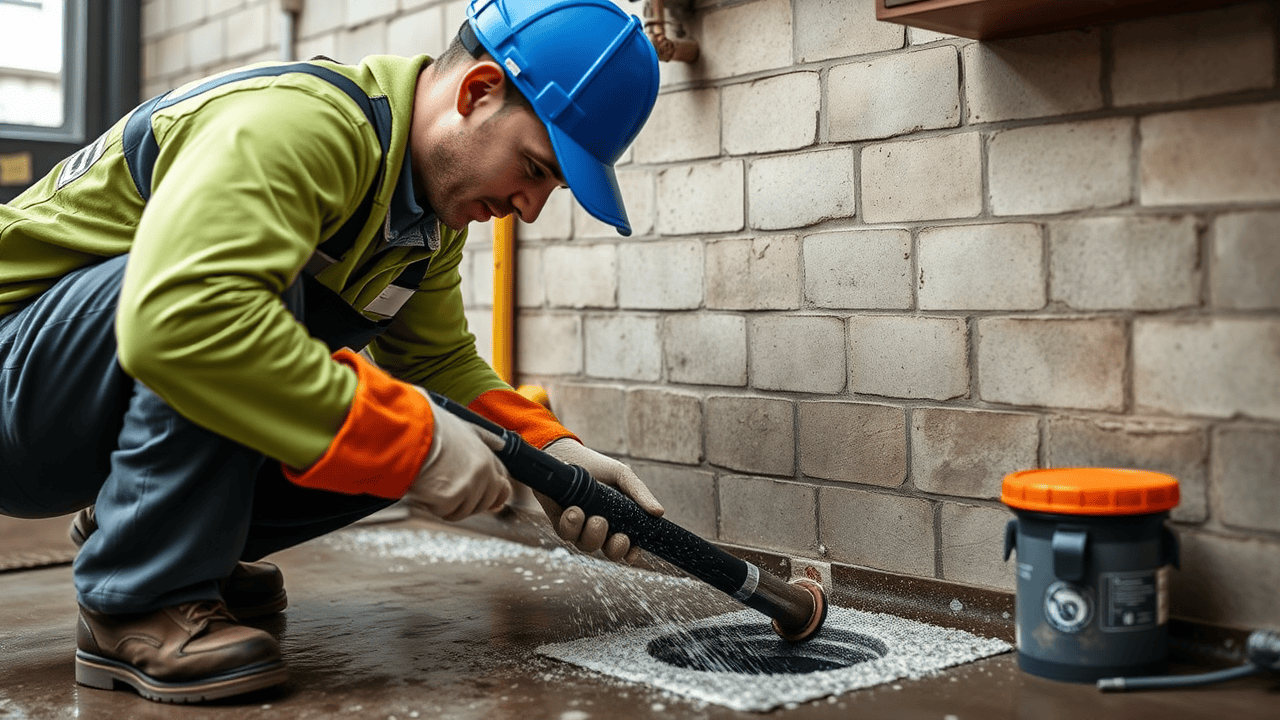
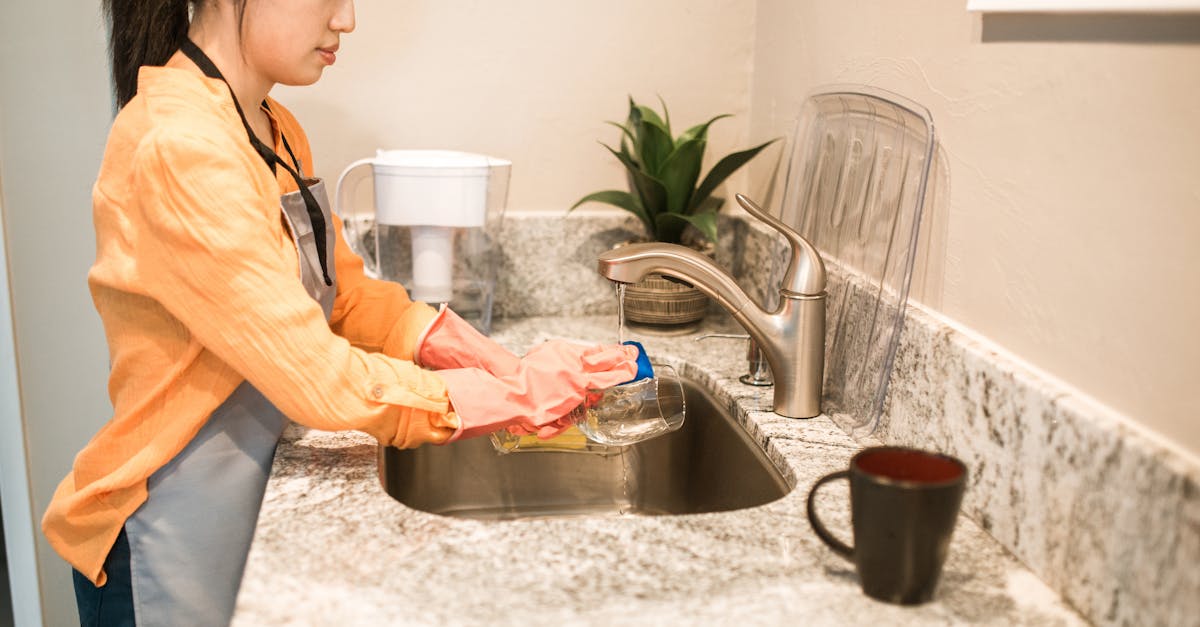
Preventative measures for clean drains are essential to avoid clogs and maintain proper flow. Regular maintenance includes flushing drains with hot water, which helps dissolve grease and food particles. Using a drain strainer can catch debris before it enters the plumbing system, significantly reducing the chances of buildup. Additionally, practicing mindful disposal habits, such as avoiding pouring oils or large food scraps down the sink, contributes to prolonging the life of your drains.
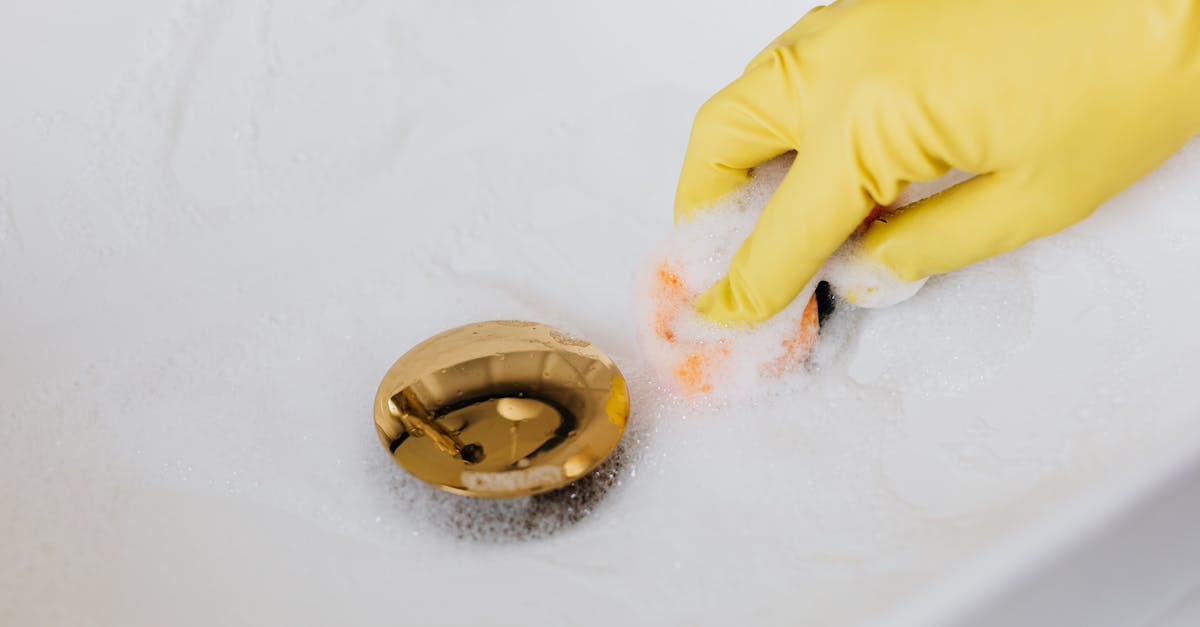
Drain cleaning in residential areas can significantly benefit from simple techniques that mitigate potential blockages. Bi-weekly or monthly cleaning routines with natural ingredients like baking soda and vinegar can help keep drains clear without resorting to harsh chemicals. The use of enzymatic cleaners also promotes health by breaking down organic matter. With these strategies, homeowners can effectively minimize the risk of significant clogs and ensure their plumbing system remains efficient.
Tips to Maintain Drain Health
Regular maintenance of your drains can significantly reduce the likelihood of clogs and build-up. One effective strategy is to implement routine drain cleaning in your home. Using a mixture of baking soda and vinegar can help break down minor obstructions and eliminate unpleasant odors without resorting to harsh chemicals. This natural solution is both gentle on pipes and effective in maintaining drain health.
In addition to chemical-free methods, keeping an eye on what goes down your drains is crucial. Avoid flushing items like grease, food scraps, and hygiene products, as these can accumulate over time and lead to serious blockages. Incorporating a strainer in sinks and shower drains can catch hair and debris before they enter the plumbing system. Regular preventative measures like these will contribute immensely to the longevity of your drainage system.
Impact of Drain Cleaners on Plumbing
Drain cleaning in homes often involves the use of chemical cleaners, which can have varying effects on plumbing systems. While they may provide immediate relief from clogs, these substances can also lead to long-term damage. Chemical drain cleaners contain harsh ingredients that can corrode pipes, especially those made from vulnerable materials such as older metal or plastic. Over time, repeated use can cause leaks and structural weaknesses in plumbing, leading to costly repairs.
The choice of drain cleaner can significantly impact the lifespan of plumbing fixtures. Some aggressive formulations are not suitable for specific pipe materials, creating risks of deterioration and additional blockages. Homeowners should consider alternatives that are less abrasive to their pipes while still effectively managing clogs. Being informed about the potential consequences of drain cleaning in their homes can help individuals make better decisions concerning maintenance practices.
How Drain Cleaners Affect Different Pipe Materials
Using the right drain cleaner is essential for maintaining the integrity of your plumbing system. For instance, certain chemical cleaners can wreak havoc on older pipes, particularly those made from materials like PVC or cast iron. While these substances effectively dissolve clogs, they can also weaken pipe walls over time. Homeowners should consider the impact of harsh chemical cleaners on their plumbing to avoid costly repairs and replacements due to deterioration.
Drain cleaning in homes with copper pipes requires a more delicate approach. Acidic drain cleaners can lead to corrosion, causing leaks that may not become apparent until significant damage has occurred. For this reason, it is advisable to opt for less aggressive cleaning methods. Eco-friendly alternatives or enzymatic cleaners can help keep drains clear without posing risks to various pipe materials. Adopting such practices not only preserves the plumbing system but also promotes a healthier household environment.
EcoFriendly Drain Cleaning Options
Eco-friendly options for drain cleaning in households have gained popularity among those seeking to reduce environmental impact. Many people turn to natural ingredients such as baking soda and vinegar, which can effectively break down minor clogs. The fizzing reaction between the two substances can help dislodge debris in pipes, providing a gentle yet effective alternative to harsh chemical cleaners. Using these ingredients not only cleans drains but also is less likely to harm plumbing systems when compared to their chemical counterparts.
Another option for drain cleaning in an eco-conscious home involves using enzyme-based cleaners. These products utilize natural enzymes to break down organic matter, such as grease, hair, and food particles. Unlike traditional drain cleaners that rely on potent chemicals, enzyme cleaners are safer for both the environment and plumbing. They work gradually, offering a sustainable solution for maintaining clean drains without the risks associated with corrosive materials.
Sustainable Alternatives to Harsh Chemicals
Sustainable alternatives to harsh chemicals offer effective solutions for maintaining clear and healthy drains without compromising the environment. Baking soda and vinegar form a popular duo for drain cleaning in homes. The combination creates a fizzy reaction that helps dislodge buildup, making it a safe and natural choice. Additionally, this method is inexpensive and easy to use, appealing to those looking to avoid commercial chemical cleaners.
Another eco-friendly option involves the use of salt and hot water. This mixture can be poured down the drain to help break down greasy clogs. Using this method for drain cleaning in kitchens can prevent future blockages while being gentle on plumbing systems. Plant-based enzymatic cleaners also provide an effective alternative, as they utilize natural enzymes to digest organic matter, ensuring drains remain clear without harmful residues.
FAQS
What are some preventative measures for keeping drains clean?
To keep drains clean, consider using drain covers, regularly flushing drains with hot water, and avoiding pouring grease or food scraps down the sink.
How often should I clean my drains?
It’s recommended to clean your drains at least once a month to prevent buildup and potential clogs.
Are chemical drain cleaners safe for all plumbing?
No, chemical drain cleaners can be harsh and may damage certain types of plumbing, especially older pipes or those made of PVC. It's important to read the labels and consult with a plumber if unsure.
What eco-friendly options can I use to clean my drains?
Eco-friendly options include baking soda and vinegar, which can help break down buildup without harming the environment. Additionally, using hot water and salt can also be effective.
How can I maintain the health of my drains without chemicals?
Regular maintenance such as using natural cleaning solutions, ensuring proper disposal of waste, and scheduling professional cleanings can help maintain healthy drains without the use of harsh chemicals.